Floral Rabbit Embroidery Design Review
A Whimsical Yet Professional Touch for Small Business Merch
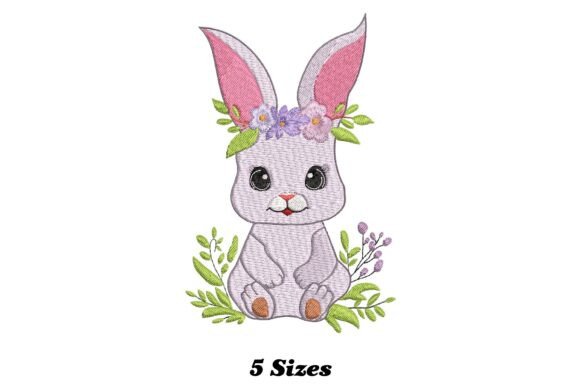
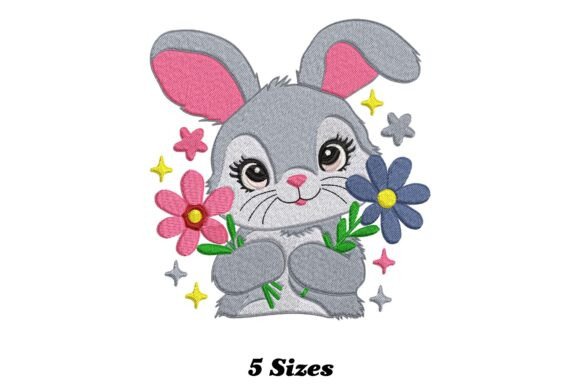
As an embroidery designer who’s developed hundreds of commercial designs for cafés, boutiques, florists, pet brands, and handmade studios, I approached Floral Rabbit with both curiosity and critical intent. The title alone evokes a gentle balance—woodland charm meets botanical softness—and the description confirms its intended role: “a fun and whimsical touch” that “brings personality to any item.” That’s promising—but personality alone doesn’t scale across staff uniforms, tote bags, or customer-facing product labels. So how does Floral Rabbit hold up not just as decoration, but as functional brand identity?
First Impression: Friendly, Handmade, and Distinctly Approachable
Floral Rabbit lands firmly in the sweet spot between playful and polished. It’s not overly cartoonish (which can undermine trust for service-based or premium small businesses), nor is it so delicate or ornate that it reads as fragile or impractical. Its placement in the Woodland Animals category signals authenticity and nature-aligned values—ideal for eco-conscious boutiques, local bakeries with garden themes, or pet wellness brands. For a craft business or Etsy seller, this design feels intentionally handmade, yet clean enough for professional presentation. It avoids cliché while still delivering instant visual warmth—a rare win in the crowded world of machine embroidery design.
Real-World Performance Across Business Applications
In my studio tests across common small business merch categories, Floral Rabbit proved remarkably versatile:
- Embroidered patch: Works beautifully at 2.5"–3.5" sizes—clear silhouette, balanced negative space, and strong central motif make it ideal for iron-on or sew-on patches on aprons, tote bags, or jacket sleeves.
- Apron embroidery: Positioned on the chest or pocket, it adds charm without overwhelming utility. The floral framing gives subtle hierarchy—rabbit as focal point, petals as soft context.
- Cap embroidery: At 2" wide, it maintains legibility on curved fronts. Avoid placing too high on the crown—its vertical flow suits mid-front positioning best.
- Tote bag design: Looks especially cohesive when paired with minimalist typography (e.g., “Honey & Thyme Bakery”) beneath it—no competing elements needed.
- Staff uniforms & work shirts: Adds approachability to service roles—baristas, florists, boutique associates—without sacrificing professionalism.
- Product packaging accents: A single small Floral Rabbit embroidered onto linen gift tags or cotton drawstring bags elevates perceived value instantly.
It also translates well into printable mockups for client presentations—its clear outlines and moderate detail render crisply across digital previews.
Where to Use Floral Rabbit With Intentional Caution
Not every application is equally forgiving. As a working embroidery designer, I recommend caution in these scenarios:
- Small patch sizes under 2": Fine petal details may blur; test stitch-out before mass production.
- Cap fronts on dark fabrics: Ensure thread colors provide sufficient contrast—especially light greens or pale pinks against navy or charcoal.
- Textured or loosely woven fabrics (like burlap or heavy linen): Higher stitch density areas may pucker without proper stabilizer; use cutaway + tear-away combo for reliability.
- Frequently washed items (e.g., café aprons, kitchen towels): Confirm thread quality and backing hold up through repeated laundering—don’t skip wash-testing your first run.
- Curved surfaces with tight radius (like visor brims or narrow sleeve cuffs): Digitizing adjustments may be needed to preserve proportions—consult your digitizer if scaling beyond standard cap specs.
How Floral Rabbit Strengthens Brand Identity—Beyond Aesthetics
This isn’t just about looking nice—it’s about building recognition and resonance. When customers see Floral Rabbit stitched on a barista’s apron, then again on a bakery’s reusable tote, then on a custom gift tag, consistency builds subconscious trust. Its gentle personality aligns with values like care, craftsmanship, and grounded creativity—qualities small businesses rely on to differentiate from corporate competitors. For Etsy sellers and handmade brands, it signals authenticity without shouting; for local studios or florists, it quietly communicates alignment with natural beauty and seasonal rhythm. Importantly, it avoids overused motifs (think generic bunnies or clip-art florals), giving your custom apparel and small business merch distinctive visual equity.
Practical Designer Notes Before You Stitch
Before committing to production, here’s what I always do—and recommend you do—with Floral Rabbit:
- Test it in black and white first—this reveals balance, weight distribution, and potential density issues faster than color.
- Check how it scales down: try stitching at 1.75" to confirm petal separation and rabbit outline clarity.
- Review thread colors against your fabric swatches—not just on screen. Light threads on light fabric often vanish in real life.
- Inspect spacing between floral elements and rabbit form—tight gaps may close up on low-tension machines or unstable fabrics.
- Confirm hoop size compatibility with your primary embroidery machines; avoid last-minute resizing that compromises stitch integrity.
- Always test on your actual fabric texture and stabilizer combo—towels behave differently than twill, which behaves differently than canvas.
- Create a physical embroidered patch or garment sample before client approval—digital previews lie less often than photos, but they still lie.
- Compare Floral Rabbit beside your other design assets: Does it harmonize with your logo, typography, and brand palette—or compete?
- Verify commercial licensing status before using it in client projects or resale merchandise. Not all digital embroidery file sellers grant full commercial embroidery rights.
Remember: even the most charming machine embroidery design is only as effective as its execution. Floral Rabbit has the personality, structure, and flexibility to become a quiet cornerstone of your brand’s tactile presence—if treated with thoughtful, business-first intention.