Strawberry Festival Embroidery Design
A Seasonal Designer’s First Impression
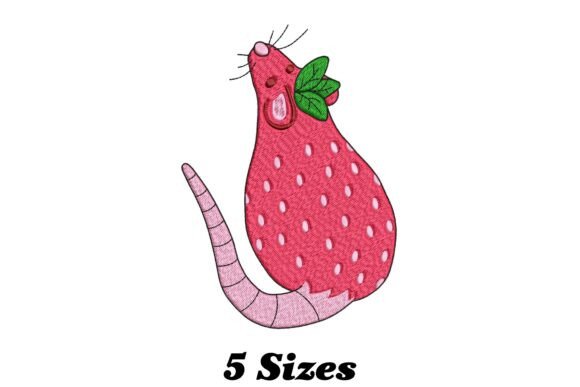
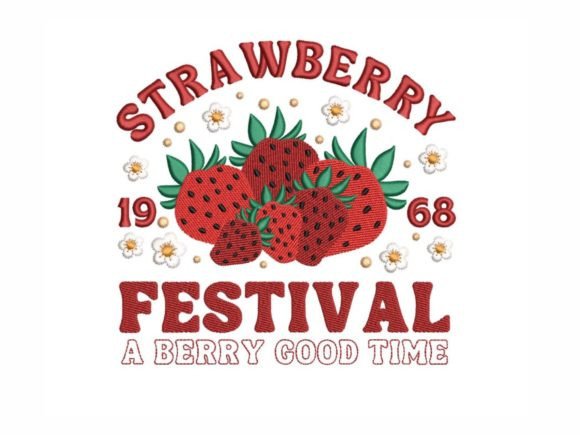
The moment I opened Strawberry Festival, I felt summer arrive—bright, juicy, and full of quiet celebration. This isn’t just a fruit motif; it’s a mood. The design balances playful charm with refined detail: plump strawberries with subtle leaf texture, gentle vine curves, and soft negative space that breathes on fabric. It leans into nostalgic sweetness—not cutesy or cartoonish, but warmly inviting, like a sun-dappled farmers’ market stall or a vintage recipe card passed down through generations. There’s no overt holiday symbolism, yet its seasonal clarity makes it instantly recognizable as *summer*—not generic fruit, but *strawberry season*. That specificity is gold for holiday embroidery buyers who need cohesive, emotionally resonant themes.
Where Strawberry Festival Shines in Real Holiday Product Lines
I’ve already sketched out how Strawberry Festival fits into my upcoming summer drop—and it’s versatile without feeling diluted. On lightweight cotton sweatshirts? Perfect for family matching sets (think coordinating toddler tees, mom tanks, and dad crewnecks). As a tote bag design, it reads clearly at arm’s length—ideal for craft fairs where shoppers scan booths in seconds. For kitchen towel embroidery, the balanced stitch density holds up beautifully on terry cloth without puckering. I’m pairing it with linen pillow covers and embroidered aprons for boutique home decor bundles—items that photograph well for Instagram previews and convert well as personalized gift options (“Add a name in script below the berries!”).
As an embroidered patch, Strawberry Festival works double duty: sewn onto denim jackets or ironed onto reusable lunch sacks for back-to-school prep (yes—early summer drops feed fall demand). And because it avoids tiny stems or micro-details, it scales cleanly across hoop sizes—making it reliable for Etsy seller mockups and printable promotional graphics. I’ve used it in a digital bundle with coordinating strawberry-print fabric swatches and a printable “Summer Harvest” gift tag—boosting perceived value without extra production cost.
Smart Placement & Practical Limits
That said, Strawberry Festival isn’t universal. On thick, looped kitchen towels, I recommend testing stabilizer layers—medium-weight cutaway prevents distortion around berry curves. Avoid placing it near seams or curved areas on stretchy garments (like ribbed baby onesies) unless you’ve tested tension on your machine first. Metallic thread? Skip it here—the design’s delicate leaf veins won’t hold shimmer cleanly; stick to matte cotton or rayon for crisp definition. And while it’s lovely on dark fabric, always test thread colors first: deep green leaves can disappear on charcoal unless you lift them with a slightly brighter olive or add a white underlay.
Don’t force it into tiny hoops. If your smallest project is a 3” x 3” ornament or keychain, check whether the full motif fits comfortably—or consider using just one centered strawberry as a standalone motif (a smart hack for small shop product variety). Also: avoid dense, multi-layered stitching on highly textured fabrics like burlap or heavy canvas—stitch density matters more than visual flair when durability is key.
How Strawberry Festival Builds Trust & Seasonal Momentum
In holiday shopping periods, customers don’t just buy designs—they buy confidence. Strawberry Festival feels intentional, not algorithm-generated. That builds trust fast: Etsy shoppers scroll past generic “fruit” files but pause for something that whispers *story*. Its consistent tone—warm, abundant, unhurried—reinforces brand consistency across apparel, home goods, and gifts. When customers see the same thoughtful motif on a tote, a tea towel, and a baby bib, they subconsciously associate your shop with care and cohesion.
It also lifts perceived product value. A plain cotton apron becomes a handmade gift when topped with this design—it’s not “just embroidery,” it’s summer nostalgia made tactile. Social media engagement spikes when customers recognize the motif across posts: “Wait—is that your Strawberry Festival on the pillow *and* the mug?” That visual recognition fuels shares, saves, and repeat visits. And because it’s rooted in a real seasonal rhythm—not a fleeting trend—it stays relevant year after year, reducing the pressure to constantly refresh your catalog.
Designer Notes You Can’t Skip
- Always test on both light and dark fabric. What reads as cheerful pink on ivory may mute on navy—adjust thread saturation or add white underlay if needed.
- Confirm hoop size before digitizing variations. If your core products use 4” x 4” hoops, ensure the full design fits with ⅛” margin clearance.
- Match stabilizer to fabric texture. Lightweight tear-away for smooth cottons; cutaway + topping for terrycloth or knits.
- Create realistic mockups—not just flat PNGs. Drape the design on a folded towel, pin it on a sweatshirt shoulder, photograph it in natural light. Customers buy the lifestyle, not the file.
- Review small details post-stitch. Check berry highlights and leaf tips for skipped stitches—especially on high-speed runs.
- Plan color palettes early. Pair Strawberry Festival with cream, sage, terracotta, and sky blue—not just red/green—for broader seasonal appeal.
- Verify commercial licensing. Before selling finished products, confirm your license permits resale of items embroidered with this digital embroidery file. When in doubt, contact the designer directly.
Final Thought: A Summer Staple, Not a One-Off
Strawberry Festival isn’t just another seasonal embroidery file—it’s a foundation piece. It bridges holidays (Fourth of July picnics, graduation gifts, baby showers), supports multiple product categories (apparel, home, accessories), and invites customization without losing its voice. For small business owners building authentic, scalable collections, it’s the kind of machine embroidery design that earns repeat use, not single-season shelf life. If you’re curating summer-ready inventory—whether for Etsy, local markets, or wholesale lines—Strawberry Festival earns its place at the center of the table.