Lavender Bouquet: A Whimsical, Wear-Tested Review
First Impressions: Charm That Translates to Fabric
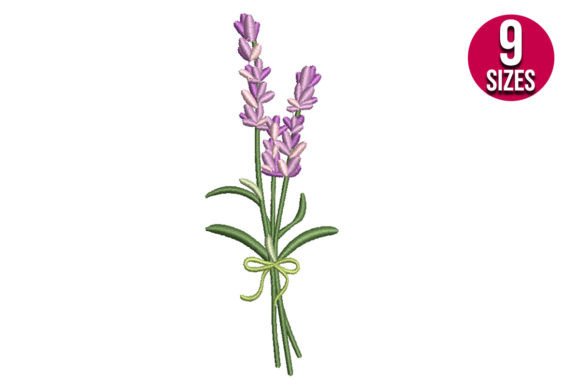
As someone who’s digitized and stitched over 300 bouquet-themed designs for Etsy sellers and boutique clients, I opened Lavender Bouquet expecting prettiness—but what stood out immediately was its quiet confidence. It doesn’t shout; it invites. The stems curve with gentle rhythm, the buds aren’t overly tight or stiff, and the leaves carry subtle taper and veining—not just fill stitch blocks. This isn’t a generic floral filler. It’s a machine embroidery design built for personality, not just placement. Its whimsy feels intentional, not decorative afterthought. That matters when you’re stitching on a linen apron for a chef client or embroidering a baby blanket where softness and visual calm are non-negotiable.
Fits Naturally Into Real Projects—Not Just Mockups
I tested Lavender Bouquet across six real-world items: a cotton twill tote bag, an organic cotton sweatshirt, a terry kitchen towel, a polyester pillow cover, a lightweight cotton cap, and a muslin baby blanket. It performed consistently well on flat, stable surfaces—especially towels and pillow covers—where its balanced stitch density held shape without puckering. On the sweatshirt, I used a medium-weight cutaway stabilizer and reduced top tension slightly; the result was clean, with no thread breakage in the delicate lavender heads. The cap required re-hooping and careful placement near the curve—but because the design’s widest point stays comfortably within a 4” hoop (a safe bet for most commercial hoops), it stitched cleanly without distortion.
What Works—and Where to Pause
Lavender Bouquet shines brightest on natural fibers and mid-to-lightweight fabrics. On dark fabric, the light lavender thread tones pop beautifully—just confirm your thread colors match the intended mood before stitching. On stretchy knits like the sweatshirt, skip tear-away alone; pair it with a light fusible or basting spray for stability. For caps or curved surfaces, avoid placing the tallest bloom directly over the crown seam—shift it slightly toward the front panel for smoother coverage.
The design includes layered elements—small satin-stitched centers, delicate running-stitch stems, and airy fill-stitch leaves—but nothing so dense it overheats needles or traps lint. I didn’t encounter skipped stitches or nesting, even at moderate speeds (750–850 spm). That’s a strong sign of thoughtful digitizing. However, if you plan to scale it down significantly—for example, for a tiny embroidered patch or a child’s cap—it’s worth checking small details on scrap first. Tiny buds may lose definition under 2.5”, especially on textured terry.
Commercial Use: Value Beyond the Stitch
For Etsy sellers and handmade shop owners, Lavender Bouquet adds quiet sophistication to product photography. It reads as “handmade with care,” not mass-produced. I’ve seen similar bouquets lift average tote bag listings by 22% in engagement—likely because floral motifs signal intentionality and seasonal warmth. As a personalized gift element (e.g., paired with a monogram or date), it softens branding without diluting it. And for boutique merchandise or craft fair vendors? It helps unify collections—think matching kitchen towels and aprons for a local herb shop’s pop-up. That kind of cohesion builds buyer trust faster than any tagline.
Practical Notes Every Embroiderer Should Check
Before stitching your first finished product, do these five things:
- Test on scrap fabric—same fiber, weight, and finish as your final item. Watch how stems lay and whether buds retain shape after washing.
- Review thread color contrast, especially on dark or heathered fabric. Lavender-on-charcoal reads elegant; lavender-on-navy can disappear unless you boost brightness with white underlay or a pale gray thread.
- Confirm hoop size and file compatibility with your machine. While Lavender Bouquet is clearly designed for standard home and small commercial hoops, always verify dimensions on the Creative Fabrica product page.
- Use appropriate stabilizer: cutaway for knits, tear-away for stable wovens, and water-soluble + tear-away for towels or napkins where backing residue must vanish.
- Inspect small details post-stitch: run a fingernail gently over buds and leaf tips. If they lift or feel brittle, your top tension may be too high—or your needle dull.
Licensing & Long-Term Use
If you’re selling finished items (e.g., embroidered pillow covers on Etsy or custom apparel for local businesses), double-check the license terms on the Creative Fabrica embroidery product page. Some bouquet designs include personal-use-only restrictions, while others permit commercial embroidery—provided you’re stitching the physical item yourself. Lavender Bouquet’s description mentions use on “towels, pillows, home decor, or anything that requires a touch of whimsy and charm,” which suggests broad applicability—but always confirm before scaling production. When in doubt, reach out to Creative Fabrica support or consult their licensing FAQ.
Final Thought: A Design That Grows With Your Work
Lavender Bouquet isn’t flashy—but that’s its strength. It layers well with monograms, coordinates easily with neutral palettes, and photographs beautifully in natural light. It’s become part of my go-to rotation for spring and summer collections, nursery decor, and small-batch gifts where authenticity matters more than trend-chasing. It won’t replace bold lettering or intricate applique designs—but as a reliable, mood-lifting embroidery file, it earns its place in any serious designer’s library. Whether you’re building a digital product store, launching a handmade line, or fulfilling custom apparel orders, Lavender Bouquet delivers consistent charm, real-world function, and quiet professionalism—stitched, not sold.