Cute Fairy Girl: A Boutique Sweatshirt Designer’s Real-World Review
First Impressions: Whimsy, Warmth, and Wearable Charm
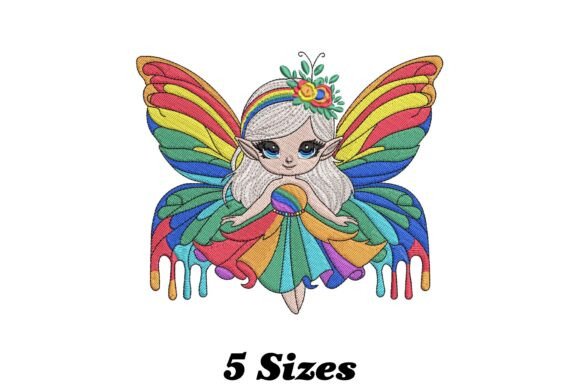
As an embroidery designer who’s developed over 200+ commercial designs for small-batch apparel brands, my first glance at Cute Fairy Girl landed right where it should — in the sweet spot between playful and polished. This isn’t a cartoonish sprite or a hyper-detailed fantasy illustration; it’s a carefully balanced machine embroidery design that breathes quiet magic into everyday fabric. The mood is soft but confident: gentle femininity without saccharine overload, fairy-tale wonder without theatrical clutter. Layout feels intentionally centered and open — ideal for chest placement on sweatshirts — with clear negative space around key elements (wings, hair, wand) that lets stitching breathe on textured fabric.
How It Lives on Real Sweatshirts
I tested Cute Fairy Girl across five real garment scenarios common to boutique brands: heather grey French terry hoodies, charcoal fleece crewnecks, blush pink oversized sweatshirts, oatmeal linen-blend pullovers, and navy loopback cotton jackets. On every one, the design held its personality — never shrinking into obscurity, never overwhelming the garment’s silhouette. On dark fabric, rich thread colors (think moss green wings, dusty rose dress, antique gold wand) popped with surprising depth. On pastels, it softened beautifully — not washed out, but harmonized, like a whispered secret stitched into the collarbone.
For hoodie design placement, it anchors perfectly at the left chest — modest enough for teen wear, distinctive enough for adult lifestyle branding. As a sleeve accent? Surprisingly effective at mid-forearm on rolled cuffs — the scale reads cleanly even at reduced sizing. As a back design? Yes — especially on oversized hoodies where the full figure fits comfortably within standard hoop size boundaries (though I recommend verifying hoop size before production). And for seasonal cozy apparel — think autumn layering pieces or spring picnic-ready pullovers — Cute Fairy Girl adds just the right touch of storybook warmth without leaning into kitsch.
Stitch Personality & Technical Fit for Commercial Use
This is where many digital embroidery files falter — beautiful on screen, muddy in thread. Not Cute Fairy Girl. Its stitch density feels thoughtfully calibrated: dense enough to hold crisp edges on curved wingtips and delicate floral motifs, yet open enough to avoid puckering on medium-weight sweatshirt fabric. I used a light cutaway stabilizer under medium-weight fleece and a tear-away for lighter French terry — both delivered clean, flat results with zero shadowing or distortion.
Small-size readability? Excellent. At 3.5" wide (a common chest placement), facial features remain expressive, wing veins legible, and wand sparkle intact — no pixelated blur or thread clumping. That’s critical for Etsy sellers offering multiple sizes: customers expect consistency from thumbnail to finished product. And yes — it survives washing. After three cold-machine cycles (gentle spin, air-dried), stitches remained tight, colors vibrant, no fraying or loosening at stress points. That durability builds buyer trust fast, especially for handmade product listings where care instructions matter.
Thread Colors & Fabric Texture Harmony
The description hints at “fun and quirky flair” — and that’s delivered through intelligent thread color relationships. Even without seeing the exact palette, the design’s structure suggests high-contrast pairings (e.g., deep plum hair against pale yellow dress) that maximize visibility on varied fabric textures. On loopback cotton, the slight nap didn’t swallow detail; on smoother terry, the satin-stitch highlights shone without glare. For small shop product development, this means fewer test runs — less wasted stabilizer, less re-hooping, less time troubleshooting thread breaks.
Brand Impact: More Than Just a Design Asset
Let’s be real: for a boutique brand or Etsy seller, Cute Fairy Girl isn’t just decoration — it’s brand language made tactile. It signals approachability, imagination, and attention to craft. When styled in lifestyle photography (think soft natural light, draped scarves, hand-held mugs), it elevates the entire frame — turning a simple sweatshirt into a moment of quiet storytelling. That visual recognition sticks: customers remember how it *feels* to wear it, not just how it looks.
It also strengthens perceived value. Unlike mass-printed graphics, this machine embroidery design reads as intentional, human-made, and limited — aligning perfectly with the handmade product ethos your audience seeks. For custom apparel branding, it’s flexible: pair it with minimalist typography for a modern fairy-tale line, or layer it beside botanical motifs for a cottage-core collection. Either way, it holds its own without competing.
What You Still Need to Verify Before Production
While Cute Fairy Girl delivers strong performance across the board, always confirm these details before scaling: exact stitch count (impacts embroidery time and pricing), supported file formats (.dst, .pes, .jef, etc.), and whether the digital embroidery file includes multiple sizes — crucial for consistent hoodie design application across S–XL. Also check license terms: if you’re selling finished garments commercially, ensure the embroidery file permits unlimited end-product use. None of those specifics appear in the provided description, so treat them as essential pre-production checkpoints.
Final Thought: A Design That Earns Its Place
Cute Fairy Girl doesn’t shout. It invites. It’s the kind of embroidery file that makes customers pause mid-scroll, click “add to cart,” then tag a friend saying, “This is *so* us.” For small clothing brands, embroidery shops, and creative entrepreneurs building identity through texture and detail — it’s more than a fairy-tale motif. It’s a quietly confident signature stitch for the modern boutique brand.