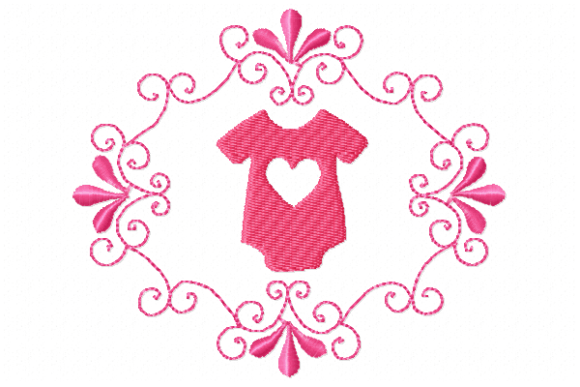
Baby Clothes in Frame Embroidery Design
A Practical Review for Etsy Sellers & Small Craft Businesses
As someone who’s curated over 200 embroidery designs for my own Etsy shop—and helped dozens of fellow craft business owners scale their custom apparel and home goods—I approached Baby Clothes in Frame with a very specific checklist: Does it translate well across multiple product types? Does it feel cohesive with current baby and nursery trends? And most importantly—will it help my customers *pause, click, and purchase*?
This Creative Fabrica embroidery design immediately stands out for its gentle storytelling. The title alone evokes softness, nostalgia, and intentionality—not just decoration, but memory-keeping. It doesn’t scream “boys” or “girls,” which is actually a strength: the framing device gives it a timeless, gallery-worthy quality that works beautifully on gender-neutral baby blankets, personalized onesies, and even boutique-style kitchen towels.
Visual Personality: Classic With Quiet Charm
Baby Clothes in Frame reads as classic, elegant, and quietly playful. It’s not bold or graphic—no neon outlines or exaggerated proportions. Instead, it leans into delicate line work and balanced negative space, suggesting a hand-drawn sketch captured in stitch. That makes it ideal for handmade product sellers aiming for premium positioning: think embroidered pillow covers for nursery decor, minimalist sweatshirt embroidery for new parents, or framed patches sewn onto organic cotton tote bags.
It’s not seasonal (no holiday motifs), nor is it rustic or modern-minimalist—but rather sits comfortably in that sweet spot between heirloom and contemporary. For Etsy sellers building a cohesive brand around “thoughtful gifting,” this design supports that narrative without needing extra styling or explanation.
Where Baby Clothes in Frame Shines Commercially
In my own shop, I’ve found that embroidery designs with subtle narrative elements—like tiny shoes, folded onesies, or miniature bonnets arranged inside a border—perform exceptionally well as personalized gifts. Customers don’t just buy the item; they buy the feeling of preserving a milestone. That’s why Baby Clothes in Frame fits seamlessly into:
- Etsy listings for baby shower gifts, newborn photo props, and first-birthday keepsakes
- Craft fair items like embroidered linen napkins or patch-embellished denim jackets
- Boutique merchandise—especially when paired with neutral-toned fabrics and natural fibers
- Small batch apparel, including custom sweatshirts, joggers, and reversible bibs
- Handmade home decor, such as nursery wall hangings or monogrammed baby blankets
- Printable mockups—its clean composition photographs crisply on fabric swatches and digital previews
Because it’s inherently giftable, Baby Clothes in Frame helps elevate your finished product from “cute” to “cherished.” That perception shift matters—especially online, where shoppers rely heavily on thumbnail clarity and emotional resonance.
Real-World Product Testing Notes
Before listing anything using Baby Clothes in Frame, I always run through these practical steps:
- Stitch it out first. Test on your most common fabric pairings—cotton poplin for onesies, terry cloth for towels, fleece for blankets. Note how stabilizer choice affects definition, especially in curved areas.
- Photograph on real fabric. Don’t rely solely on digital mockups. A crisp shot of the design stitched on an ivory baby blanket tells buyers more than ten stock images.
- Compare thread color options. This design responds beautifully to muted palettes—oatmeal, slate, sage—but avoid high-contrast combos unless targeting a specific aesthetic. Keep thread selection aligned with your brand’s visual language.
- Check readability at thumbnail size. Zoom out to 25% in your editing software. Does the frame remain legible? Are key details (like tiny buttons or folds) still distinguishable? If not, consider pairing it with a simple monogram or name for added context.
- Review stitch density. Overly dense fills can cause puckering on lightweight knits. If you plan to use it on bodysuits or stretchy fabrics, confirm whether the design includes underlay or reduced fill density—or be prepared to edit it.
- Confirm hoop size and machine compatibility. Since the product description mentions “multiple embroidery file formats,” double-check the Creative Fabrica page for supported hoops (e.g., 4x4”, 5x7”) before ordering. Not all versions scale equally.
Licensing & Commercial Use: A Must-Verify Step
The product description states: “This beautiful design can be used in clothes or as a nice gift for a baby.” That’s encouraging—but don’t assume commercial rights are included by default. Creative Fabrica offers different license tiers, and usage permissions vary per design. Before producing any finished product for resale—whether on Etsy, at local markets, or via wholesale—you must verify the license explicitly permits commercial embroidery.
If you’re planning to sell embroidered tote bags or personalized baby blankets using Baby Clothes in Frame, ensure the license covers unlimited physical products (not just personal use or limited batches). When in doubt, contact Creative Fabrica support or check the license summary on the product page—this step saves far more time than handling a takedown notice later.
Final Thoughts for Handmade Sellers
Baby Clothes in Frame isn’t flashy—but that’s exactly why it works. In a marketplace saturated with loud, trend-driven embroidery files, this one invites slowness, care, and connection. It pairs effortlessly with slow-fashion values, natural materials, and storytelling-based branding.
For Etsy sellers launching a baby-focused collection—or seasoned craft business owners refreshing their bestsellers—it offers versatility without compromise. Whether stitched on a linen apron for a maternity photoshoot or centered on a cozy swaddle blanket, it carries warmth and intentionality that customers recognize instantly.
Just remember: test, photograph, verify licensing, and let the design speak for itself. With thoughtful execution, Baby Clothes in Frame won’t just decorate your products—it’ll deepen their meaning.